There may be no better place on earth to photograph horses than Ocala, Florida. The rolling pastures, the live oaks, the morning fog that settles over the paddocks, and of course the horses themselves, bred and trained at a concentration found almost nowhere else. For equine photography, this is home ground.
But great equine imagery isn’t a matter of pointing a camera at a beautiful animal in a beautiful place. Horses are unpredictable, expressive, and quick. Capturing one honestly takes patience, an understanding of how horses move, and the discipline to wait for the moment rather than force it.
Why Ocala is the center of equine photography
Marion County’s claim as the Horse Capital of the World isn’t marketing. It’s an industry. Thoroughbred breeding farms, training operations, sport-horse facilities, and world-class venues sit within a short drive of one another. The opening of the World Equestrian Center added a year-round stage for some of the highest-level competition in the country, and the winter show circuit brings riders and horses from around the world to the region.
For anyone in the equine business (a farm marketing a stallion, a rider building a brand, a sales barn preparing a horse for auction), that density is an advantage. A Florida equine photographer working in Ocala isn’t traveling to the horse world occasionally. They’re in it, week after week, and that familiarity shows in the work.
Types of equine work
“Equine photography” covers several very different jobs, each with its own demands.
Farm and breeding
Farm work is about showing a horse and an operation at their best: conformation shots that present a horse accurately, lifestyle imagery of the farm itself, and the quieter moments that convey the care behind a breeding program. These shoots reward patience and an early start; the light in the first hours after sunrise is hard to beat, and so is a horse’s temperament before the day heats up.
Sport and competition
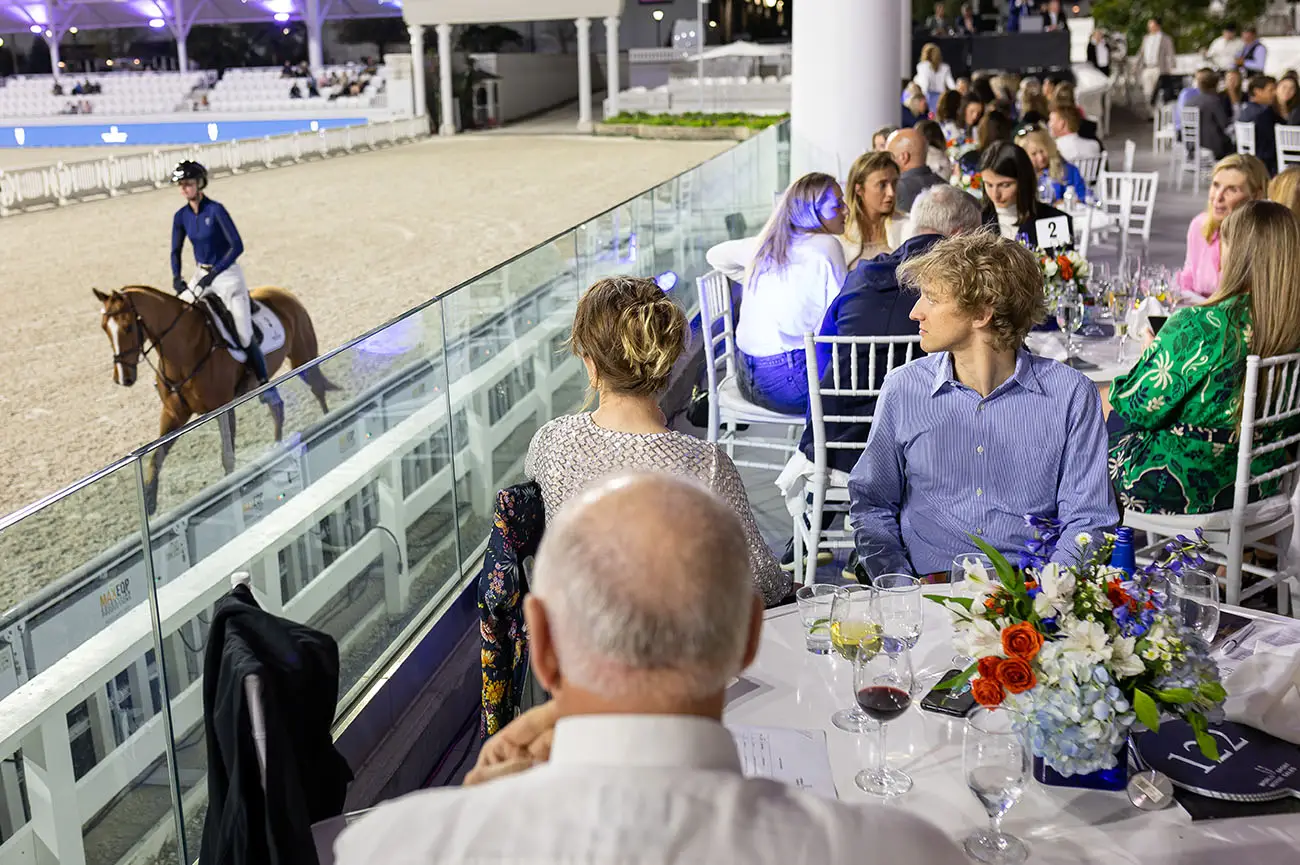
Competition photography is fast, technical, and unforgiving. There’s no second take of a clean round or a perfect distance to a fence. It demands a photographer who can read the sport, who knows where the moment will happen before it does, and is already in position when it arrives. Whether it’s a jumper at the top of an arc or a dressage horse in a moment of suspension, the difference between a good frame and a great one is often a fraction of a second.
Sales and marketing imagery
For sales barns and equine brands, imagery is a commercial tool. A sales horse needs to be presented honestly and flatteringly. A product or a service aimed at the equestrian market needs imagery that speaks the language of people who know horses. This is where commercial discipline meets equine knowledge: the images have to sell, but they also have to be credible to an expert eye.
Photographing horses with patience, not pressure
The single most important quality in an equine photographer is the willingness to wait. Horses can sense urgency, and a rushed shoot produces tense, pinned-ear images that no amount of editing will fix.
A documentary approach suits horses especially well. Rather than forcing an animal into a pose and firing away, it means giving the horse room to settle, watching for the natural moment when its ears come forward and its expression softens, and being ready when it does. The best equine images almost always come from that kind of quiet observation, working with the horse and its handler rather than against them.
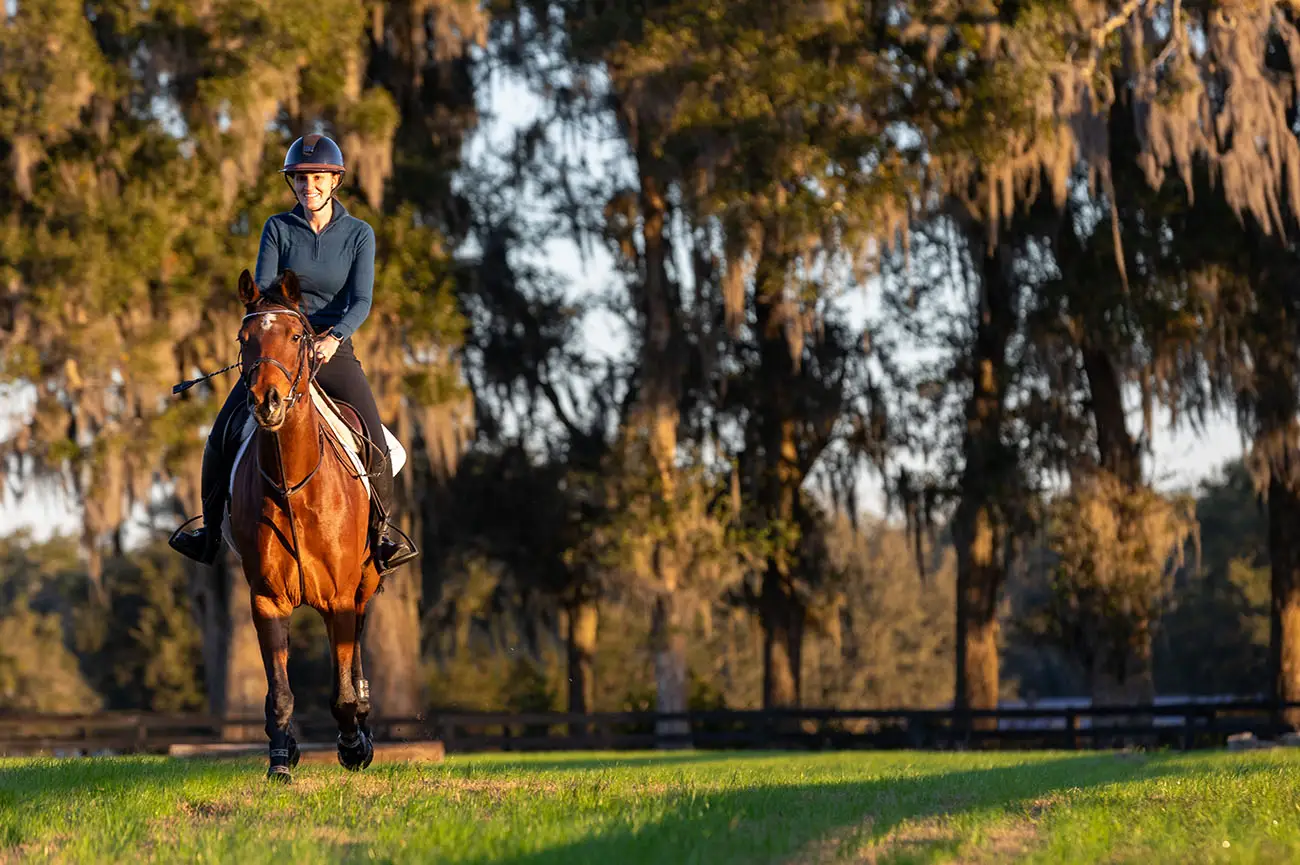
That patience extends to the people, too. Riders, grooms, breeders, and trainers know their animals intimately, and the best shoots are collaborative. The photographer’s job is to be present and prepared without adding stress to an environment that already has plenty of moving parts.
When video tells the story better than stills
A photograph captures a horse’s expression. Video captures its movement. For an animal whose whole value and beauty is bound up in how it moves, that can be the more powerful medium.
An equine videographer can show a horse’s gait and athleticism in a way no still frame can, whether for a sales listing, a stallion promotion, or a farm’s brand film. Aerial work adds another dimension entirely; a drone reveals the scale of a property and the geometry of a cross-country course or training track from a perspective the ground can’t offer.
In practice, many equine projects are strongest when photo and video are captured together by one team, on the same day, with a shared understanding of the story being told. You come away with stills for print and social and footage for film and web, all consistent, all true to the horse.
Have a horse, a farm, or an equine brand to photograph in Ocala or anywhere in Florida? We’d love to hear about it. Start a project with Avera Visuals and let’s tell the story right.