Searching for an Ocala photographer usually means scrolling through a lot of beautiful galleries that all start to blur together. Everyone’s portfolio looks good. That’s the whole point of a portfolio. The harder question, the one that actually determines whether you’ll be happy with what you get back, is whether the person behind the camera is the right fit for your story.
This is a straightforward guide to answering that question. No pressure, no sales pitch, just what’s worth thinking about before you book photography and videography in Central Florida.
What to actually look for in an Ocala photographer
A polished gallery tells you someone can make a single great image. It doesn’t tell you whether they can do it consistently, on your timeline, in the conditions your project will actually involve.
A few things matter more than the prettiest shot on the homepage:
- Consistency across a full body of work. Look at complete galleries, not just the highlights. Does the quality hold from the first frame to the last? That’s what your finished project will look like.
- Relevant experience. A photographer who shoots gorgeous portraits may not be the right call for a construction timeline or a 300-person gala. Look for work that resembles what you need.
- A point of view. The best work has a recognizable sensibility behind it. You want someone whose instincts you trust, not someone who simply points the camera where you tell them to.
That last point is where most decisions quietly get made. You’re not just hiring a skill set. You’re trusting someone to make hundreds of small judgment calls on the day, when there’s no time to ask permission for each one.
Commercial vs. personal work, and why one team for both helps
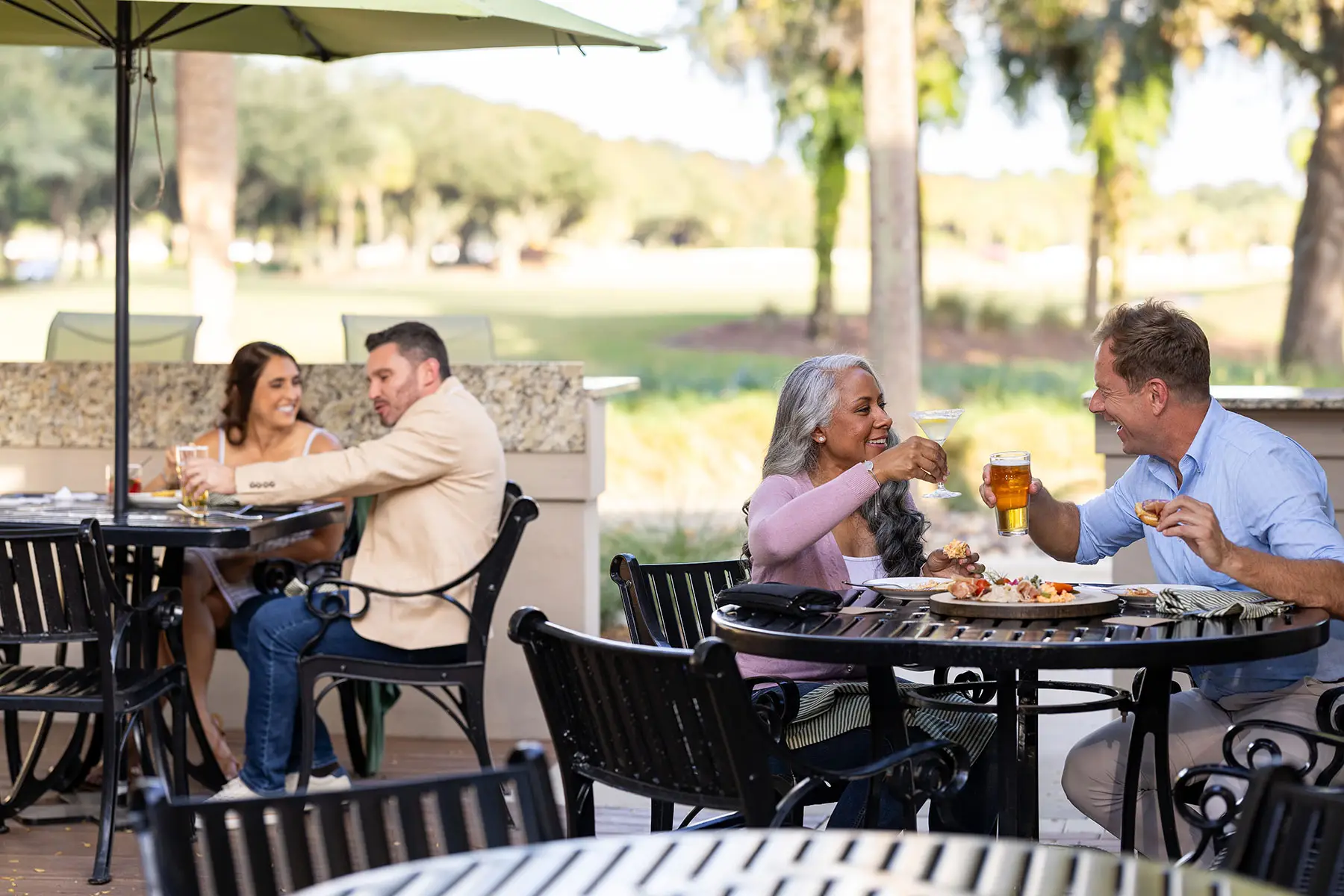
Most photography in Ocala falls into one of two worlds. There’s commercial work: brand content, food and beverage, headshots, architecture, drone, the imagery a business uses to sell and communicate. And there’s personal work: weddings, events, the moments you’ll want to look back on for decades.
The skills overlap more than people assume. Both come down to reading a room, anticipating what’s about to happen, and capturing it cleanly without disrupting it. A team that does both well tends to bring the patience of documentary work to commercial shoots, and the technical reliability of commercial work to personal ones.
It also simplifies your life. When the same team handles your brand and business content and your weddings and events, you’re not re-explaining your taste, your brand, or your expectations every time. The shorthand is already there.
Questions to ask before you book
A short conversation up front prevents almost every common disappointment. Here’s what’s worth asking, and why.
Deliverables and usage rights
Get specific about what you’re actually receiving. How many final images? Edited to what standard? In which formats? For video, what length and how many versions?
For commercial projects especially, ask about usage rights. Can you run the images in paid ads? On packaging? Indefinitely, or for a set term? This is where surprises hide, and it’s far easier to settle before the shoot than after.
Timeline and turnaround
Ask when you’ll see your gallery. A clear, honest turnaround window says a lot about how a studio runs. “It depends” is fine as long as it’s followed by an actual range. If you need something fast (a same-week event highlight, say), name that early so it can be planned for rather than squeezed in.
Style fit
This is the most important and the most overlooked. Ask how the photographer works on the day. Do they direct heavily, or do they hang back and let things unfold? Neither is wrong, but they produce very different results. If you want imagery that feels candid and real, a photographer who poses every frame will leave you frustrated, and vice versa.
A good answer here sounds less like a script and more like a philosophy. You’re listening for whether their instincts match the way you want to be seen.
What “documentary style” means, and when it’s the right call
You’ll see the word documentary attached to a lot of photographers, so it’s worth defining. Documentary photography means capturing moments as they genuinely happen rather than staging them. The photographer is present and intentional but largely unobtrusive, directing lightly when it helps, otherwise staying out of the way so the real moment can occur.
It’s the right call when authenticity matters more than polish-for-its-own-sake: a wedding you want to remember as it actually felt, a brand that wants content that looks like real life instead of a stock photo, a nonprofit telling a story that has to ring true. It’s less suited to highly art-directed product or studio work, where control is the entire point.
If the honest, lived-in look is what you’re after, ask directly whether a photographer shoots that way by default. Many will say yes; fewer actually mean it. The portfolio will tell you the truth.
Working with a Central Florida-based team
Hiring locally has practical advantages that go beyond convenience. A Central Florida photographer already knows the light, the venues, and the logistics. The Ocala/Marion County area offers distinctive locations, and a local photographer already understands how the afternoon sun hits a particular space, which Ocala locations photograph well, how long it really takes to get across town on event day. That local knowledge quietly removes friction you’d otherwise pay for in wasted time.
It also means someone you can actually meet, plan with, and build a working relationship with over multiple projects, rather than a vendor flying in who’ll never see your space again.
Whether your project is a national commercial campaign or a once-in-a-lifetime celebration, the right team should make the process feel clear and low-friction, not stressful. That starts with a conversation about what you’re trying to do and what success looks like for you.
Thinking through a project in Ocala or anywhere in Central Florida? We’d genuinely like to hear what you’re working on. Start a project with Avera Visuals and let’s talk through your story.