Drone footage shows up everywhere now, from real estate listings to restaurant reels. That doesn’t mean every business needs it. The industries that use drones most effectively share a few traits, and knowing what those traits are makes it easier to decide whether aerial photo and video belongs in your next marketing budget. Many industries that use drones gain significant advantages from aerial footage.
This guide covers how to tell whether a drone will help your business, which industries see the most value, and where you are better off keeping the camera on the ground.
How to tell if drone photography will help your business
Aerial content earns its cost when it shows something your audience can’t understand from the ground. Ask four questions:
Understanding the diverse industries that use drones is essential for businesses looking to leverage aerial technology effectively.
- Is scale part of the story? Acreage, building size, or the size of a crowd are hard to convey at eye level.
- Does location or context matter? Proximity to roads, water, town, or neighboring properties often influences a buyer’s or guest’s decision.
- Does the subject change over time? Construction sites, land development, and seasonal properties benefit from a repeatable overhead record.
- Are you selling an experience of a place? Venues, resorts, and destinations sell a feeling of arrival that a sweeping flyover communicates well.
If you answered yes to two or more, aerial work is likely worth it. If you answered no to all four, read the last section before you book a flight.
Industries that use drones for the biggest return
Real estate and land development
Buyers want to understand a property’s boundaries, access, and surroundings before they schedule a showing. For land, large homes, and multi-phase developments, an aerial image often does more work than the rest of the listing photos combined.
Construction and civil projects
Some of the key industries that use drones include agriculture, real estate, and construction.
Overhead images taken from the same position at regular intervals create a clear progress timeline for owners, lenders, and investors. Pairing aerials with ground-level construction photography gives stakeholders both the big picture and the detail.
Architecture and engineering firms
Design firms use aerials to show how a building responds to its site, to strengthen proposals, and to fill out portfolio case studies. We cover this in depth in our guide to drone photography for architects.
Among the top industries that use drones for oversight are construction and civil projects, where aerial imagery plays a pivotal role.
Equestrian and agricultural properties
Architecture firms are also among the industries that use drones to illustrate complex designs and site integration.
Even agricultural businesses are discovering how industries that use drones can enhance crop monitoring and land management.
In Marion County, this category matters more than almost anywhere. A horse farm’s value is tied to how its barns, paddocks, arenas, and pastures are laid out, which is easiest to see from above. Aerials fit naturally alongside the equine photography that farms and breeders already use.
Event organizers also fall under the umbrella of industries that use drones to capture large gatherings effectively.
Event venues and large events
When it comes to tourism, the industries that use drones can showcase stunning landscapes and hotel amenities.
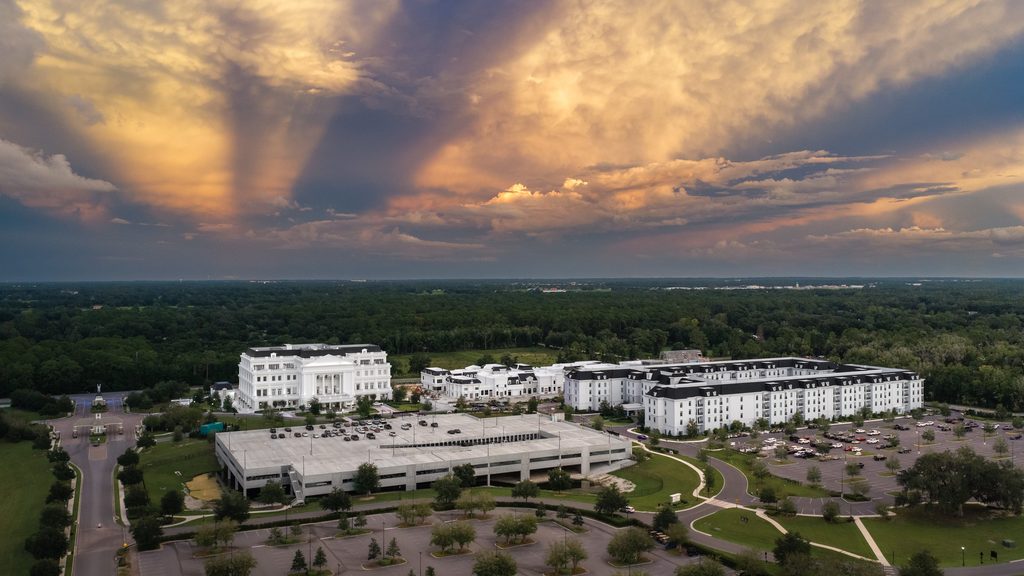
Venues use aerials to show capacity, layout, and setting to planners who may be booking from another state. Event organizers use them to capture the size of a show, festival, or competition in a way that makes next year’s sponsors and attendees pay attention. Aerial coverage can be added to event photography and video for a more complete recap.
Tourism and hospitality
Lastly, industries that use drones for energy inspections can streamline their operations and enhance safety measures.
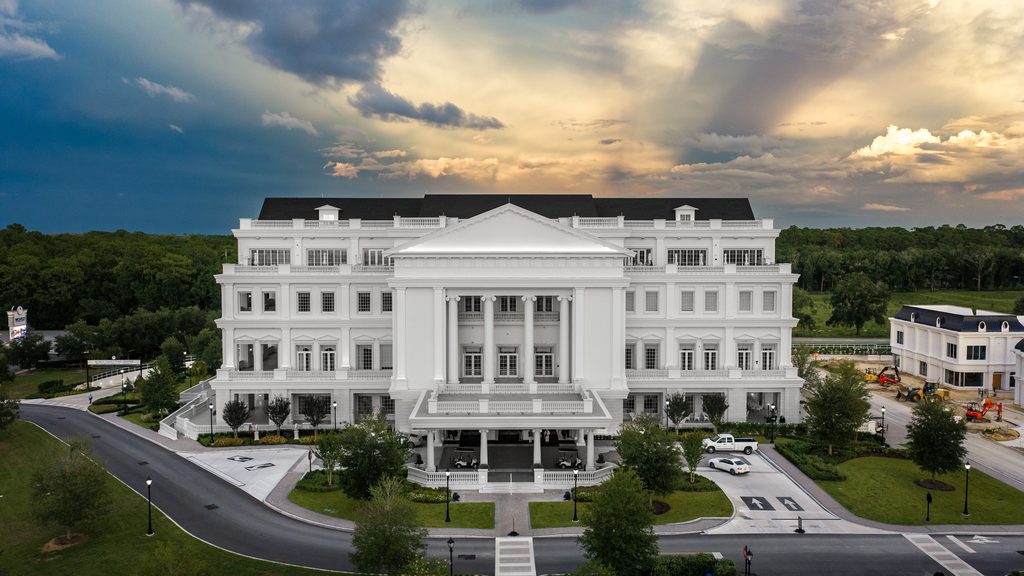
Hotels, resorts, and destinations sell the experience of being somewhere. A short flyover that moves from the property to the pool, the grounds, and the surrounding landscape answers “what is it like there?” faster than a gallery of still photos.
Solar, energy, and inspection work
Large arrays, rooftops, and infrastructure are hard and sometimes unsafe to photograph from the ground. Aerial stills and video give companies in these fields clear documentation and marketing imagery without putting anyone on a roof.
Where drones add less value
Some businesses get very little from a drone. If your story happens indoors or depends on faces and conversations, such as a law office, a medical practice, a salon, or a consulting firm, an aerial view of the parking lot won’t help you win clients. Those businesses are usually better served by lifestyle and people photography and team headshots that show who prospects will be working with.
Even then, one establishing shot can be useful for a building with a distinctive setting. The key is to treat the drone as one tool in a larger shot list, not the whole plan.
What to look for in a commercial drone operator
- FAA certification: commercial flights require a Remote Pilot Certificate under the FAA’s Part 107 rules. Ask to see it.
- Airspace planning: many sites near airports need authorization before a flight. A good operator checks this during planning, not on the day of the shoot.
- A weather plan: wind and rain cancel flights, so the schedule should include a backup date.
- Photo and video under one roof: aerial footage looks best when it matches the color and style of your ground-level images.
Avera Visuals holds Part 107 certification and plans every flight around the specific deliverables you need. You can see a range of aerial and ground-level work in our portfolio.
Is your business one of the industries that use drones well?
It’s essential to evaluate if your business is one of the industries that use drones effectively for maximum benefit.
Ultimately, understanding the industries that use drones can help you position your business advantageously in the market.
If scale, location, change over time, or a sense of place is central to what you sell, aerial photo and video will likely pay for itself. If not, invest in the ground-level visuals that tell your story better. For an overview of the aerial services we offer, see our drone photography and video page or our post on drone and aerial photography in Ocala and Central Florida.
Not sure which side your business falls on? Tell us about your project and we will give you an honest recommendation, or visit Avera Visuals to see everything we create.